Introduction
In today’s textile industry, one of the most in-demand materials is non woven fabric. Known for its durability, affordability, and wide range of applications, this fabric is transforming multiple industries. Whether you are in fashion, medical, agriculture, packaging, or industrial sectors, you must have come across non woven material. But what exactly is it, how is it made, and why is it so popular? Let’s explore in detail.
What is Non Woven Fabric?
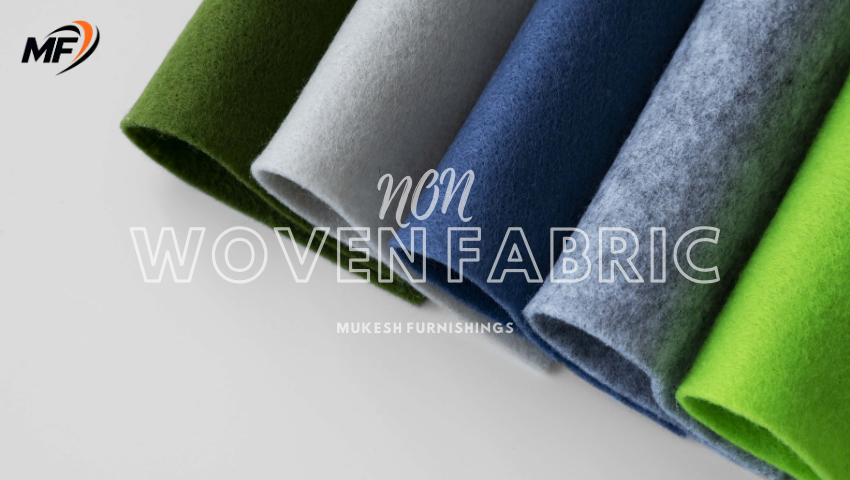
Non woven fabric is a textile material that is produced without traditional weaving or knitting. Instead, fibers are directly bonded together using heat, chemicals, or mechanical processes. Simply put, it is “made, not woven.”
- Raw Material: Mostly polypropylene (PP) and polyester.
- Manufacturing Process: Produced through melt-blown, spunbond, or needle-punched technologies.
- Texture & Look: Lightweight, breathable, and available in a smooth surface finish.
Key Features of Non Woven Fabric
- Lightweight and Soft – Easy to carry and comfortable.
- Eco-Friendly Options – Available in recyclable and biodegradable forms.
- Durability – Strong yet flexible.
- Cost-Effective – More affordable than traditional fabrics.
- Versatile – Can be customized for multiple industries.
Applications of Non Woven Fabric
1. Medical and Healthcare
- Widely used in surgical masks, gowns, drapes, and disposable caps.
- Demand surged during the COVID-19 pandemic.
2. Fashion and Home Textiles
- Common in shopping bags, suit covers, shoe covers, and even disposable bedsheets.
- Also used in curtain linings and furniture upholstery.
3. Agriculture
- Used as crop covers, seed blankets, and weed-control fabrics.
- Protects crops from excessive heat, frost, and insects.
4. Industrial and Packaging
- Applied in filter materials, insulation, and protective clothing.
- Highly popular for reusable and eco-friendly shopping bags.
5. Hygiene Products
- Used in baby diapers, sanitary napkins, and adult incontinence products.
- Skin-friendly and absorbent material.
Why is Non Woven Fabric in High Demand?
- Eco-Friendly Trend: Demand for non woven bags has increased after plastic bans.
- Disposable Lifestyle: Growing use in hygiene and healthcare products.
- Cost-Effectiveness: Simple manufacturing process keeps costs low.
- Customization: Can be tailored to meet industry-specific needs.
Global and Indian Market Outlook
The global market for non woven fabric crossed billions of USD in 2023–24 and is expected to double by 2030. In India, demand is rapidly increasing, especially for eco-friendly shopping bags and medical products. Major production hubs are located in Haryana, Gujarat, and Maharashtra.
Advantages Over Traditional Fabrics
- More affordable compared to cotton and polyester.
- Reusable, recyclable, and hygienic.
- Allows quick and large-scale production for industries.
Also:
Sheer Material Complete Guide to Uses, Benefits & Styling Tips (2025)
–
Malai Lycra Fabric – A Perfect Blend of Comfort and Style by Mukesh Furnishings Private Limited
Frequently Asked Questions (FAQs) on Non Woven Fabric
Q1. What is non woven fabric?
Non woven fabric is a textile material made without weaving or knitting. Fibers are bonded together using heat, chemicals, or mechanical processes.
Q2. What is the difference between non woven and woven fabric?
Woven fabric is created by weaving threads, while non woven fabric is made by bonding fibers directly. This makes non woven fabric lightweight and cost-effective.
Q3. Is non woven fabric eco-friendly?
Yes, many non woven fabrics are recyclable and biodegradable. They are also reusable, making them the best alternative to plastic.
Q4. Where is non woven fabric used?
It is widely used in medical products (masks, gowns), agriculture (crop covers), packaging (bags), fashion (suit covers), and hygiene products (diapers, sanitary pads).
Q5. Is non woven fabric washable?
Most disposable non woven fabrics are not washable. However, some high-quality types can be gently washed and reused.
Q6. Why is the demand for non woven fabric increasing?
The demand has grown due to plastic bans, rising healthcare needs, and the popularity of eco-friendly disposable products.
Q7. Where is non woven fabric produced in India?
India’s major production hubs are in Haryana, Gujarat, Maharashtra, and Tamil Nadu.
Q8. What is the future of non woven fabric?
The future is highly promising. Both global and Indian markets are growing rapidly, with the industry expected to double in size by 2030.
Conclusion
Non woven fabric is a modern textile solution known for being eco-friendly, cost-effective, and versatile. From medical to agriculture, fashion to packaging, its applications cover almost every industry. As the world shifts towards sustainability and hygiene, the demand for non woven fabric will continue to rise. For businesses, this presents a golden opportunity to tap into a booming market.
Contact Mukesh Furnishings Pvt. Ltd.
Phone: +91 9053050185
Website: www.mukeshfurnishings.com
Email: raghavnarang@mukeshfurnishings.com